Reverse evidence-based dentistry turns everyday chairside observations into safe, effective innovations. Here's how it works.
Have you ever wondered how new dental treatments become available? Traditionally, research starts in the lab and eventually reaches your dentist’s office. But there’s a new approach called reverse evidence-based dentistry that flips the process: it starts right in the dental chair.
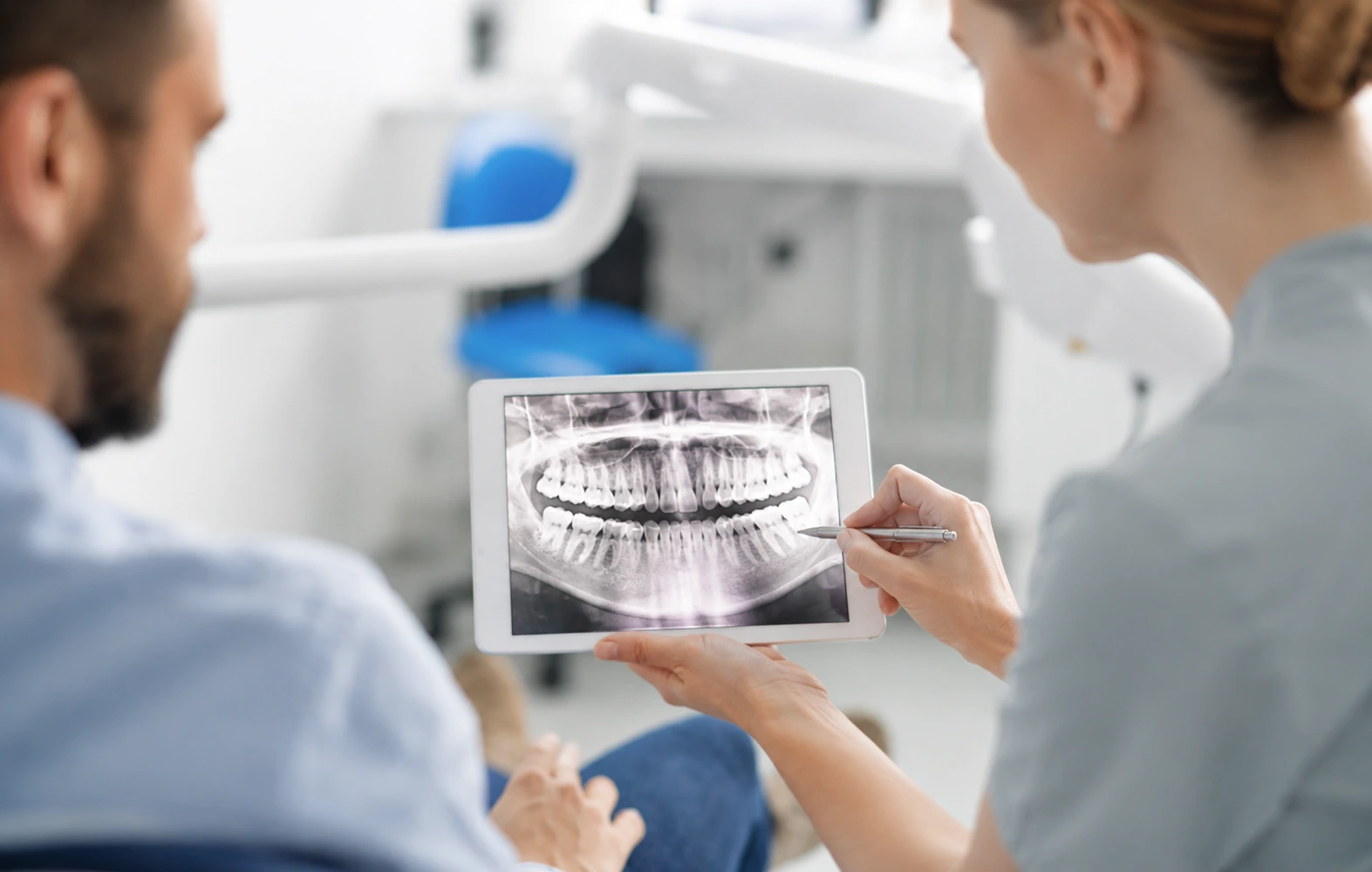
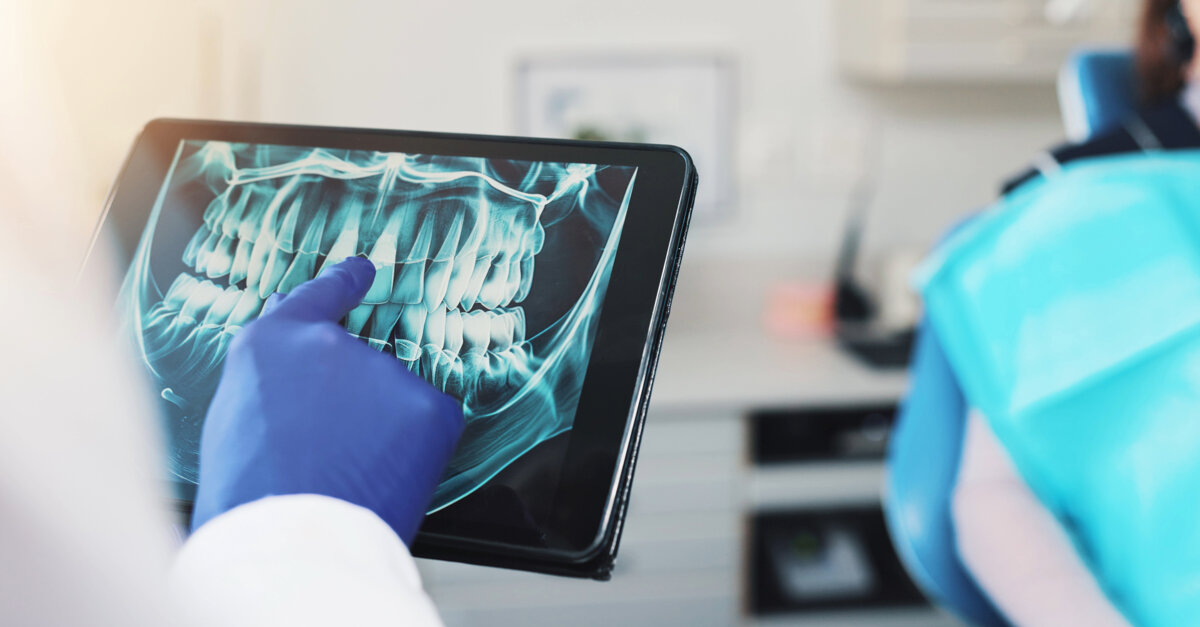
When your dentist notices something interesting during a routine check-up or a new technique seems to work well, that observation can be the spark for a formal study. Instead of waiting years for lab research, clinicians share their real-world experiences with researchers, who then design controlled studies to confirm what’s really happening. This way, promising ideas are identified sooner and tested methodically.
This approach helps bring safe, effective innovations to patients more quickly. It also encourages dentists to be curious and report what they see, knowing that their day-to-day experiences matter for the future of dentistry. Of course, responsible innovation means these observations are still put through rigorous scientific evaluation before becoming standard care.
So next time you’re in the dental chair, remember: your dentist’s sharp eye might one day lead to a breakthrough in dental care. Science and practice are working hand in hand to improve your smile.
Source: dental-tribune.com
Research
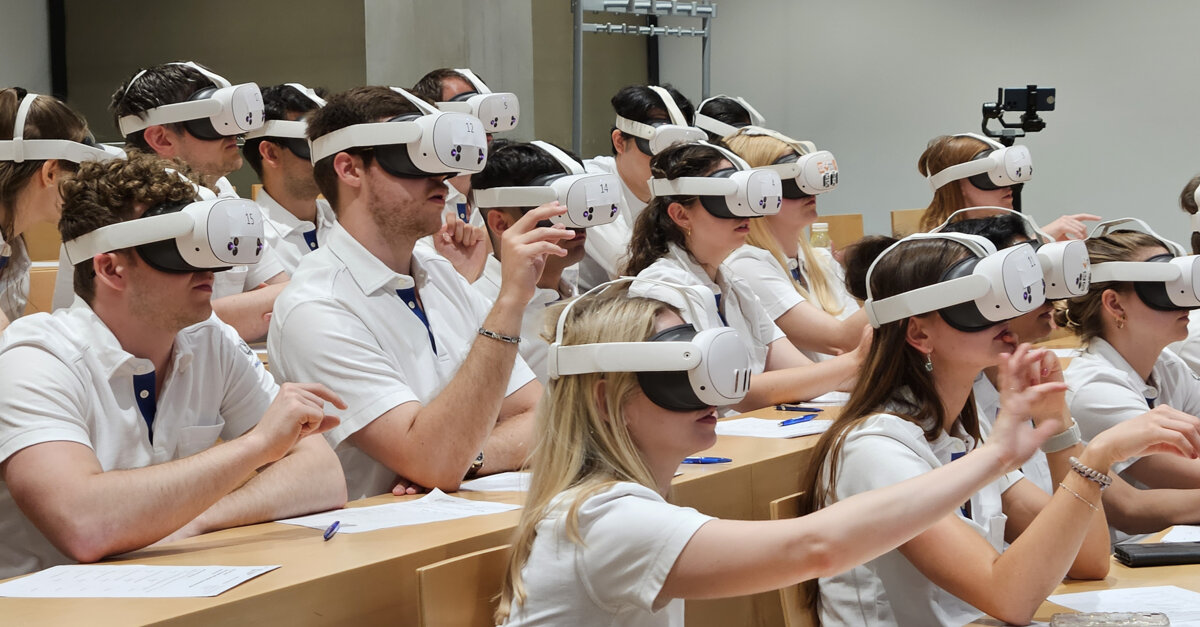
Mixed Reality in Dental Training: What Students Really Think
A pilot study from the University of Zurich explores how dental students experience mixed reality learning—and whether immersive headsets cause side effects.
Read article →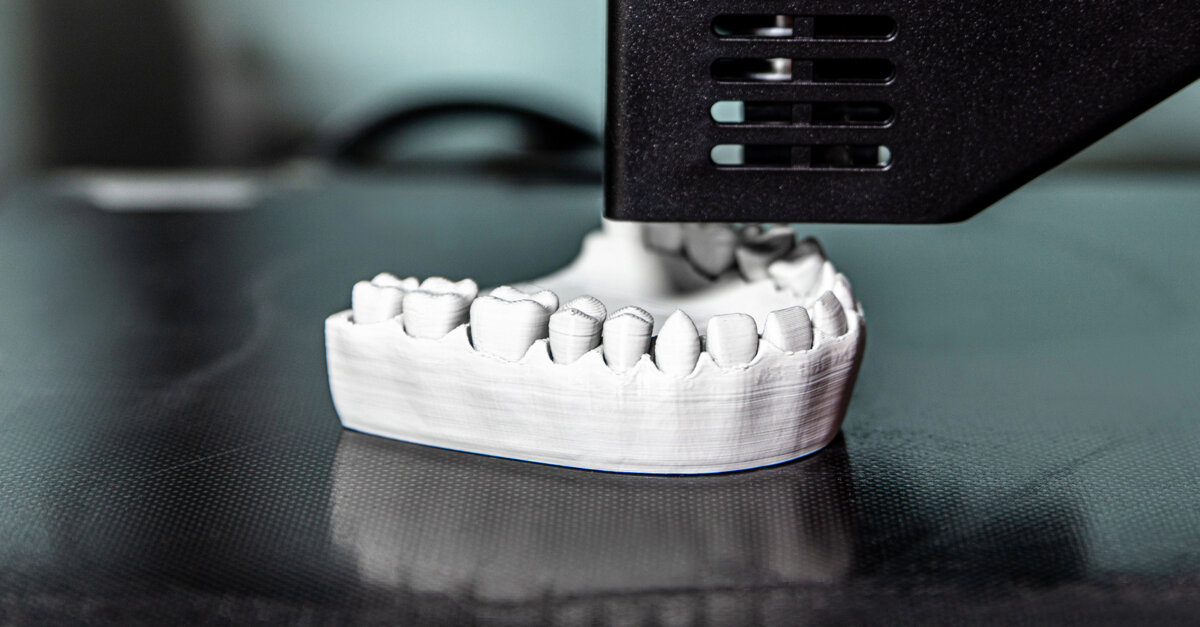
3D Printing and Dental Crowns: What Patients Should Know
3D-printed crowns and bridges are getting closer to everyday dentistry, but dentists still want more long-term proof before using them routinely.
Read article →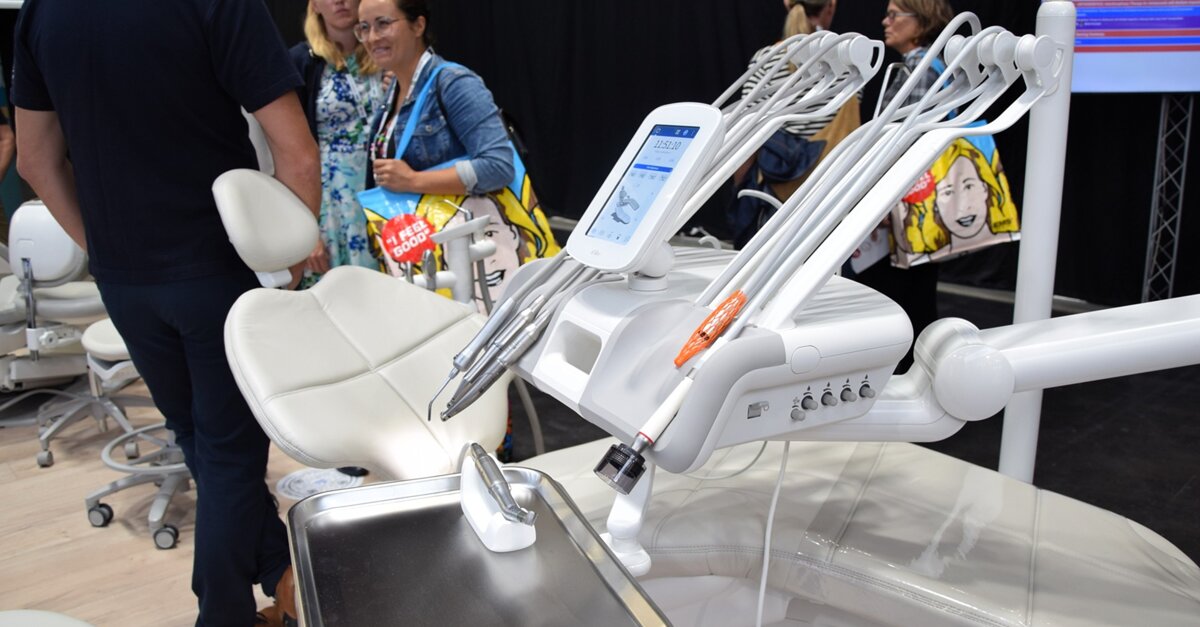
Smart Dental Tech: A-dec Shows the Future at FDI Congress
Discover how A-dec's smart technology at the FDI congress makes dental visits smoother and more comfortable.
Read article →